
Protect Your Lower Back After Holiday Lifting
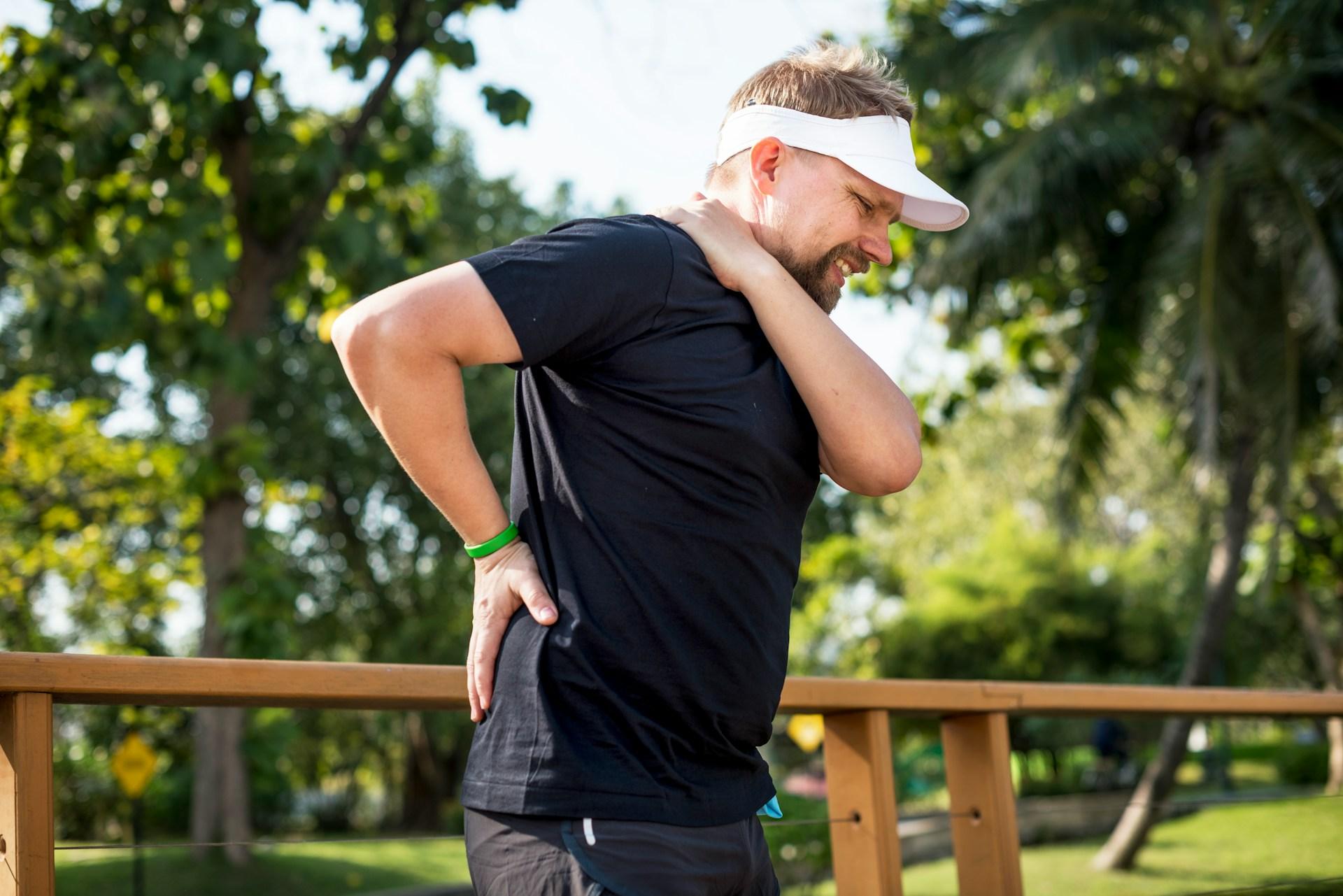
The day after Thanksgiving can bring more than leftovers. Carrying heavy serving dishes, lifting children, loading cars, moving furniture for guests, or pulling out holiday decorations can all place extra stress on your lower back.
A flare-up after a busy holiday does not always mean you caused a brand-new injury. Repeated bending, twisting while lifting, slouched posture, and holding a heavy item away from your body can irritate a sensitive disc or the muscles and joints around it. For those already living with chronic lower back pain, a full day of holiday activity can be enough to bring symptoms to the surface.
At our Mission Viejo practice, we help people understand what may be driving their pain and build a personalized, non-surgical plan for moving with less strain. Chiropractic care and neuromuscular rehabilitation can be part of a thoughtful approach to lower back pain, disc concerns, and musculoskeletal injuries.
Holiday Lifting Can Aggravate Disc Pain
Spinal discs sit between the bones of the spine and help cushion everyday movement. Under repeated stress, a disc can become irritated, bulge, or herniate. Lifting may trigger symptoms, but it is not always the full story. Years of repetitive movement, poor lifting habits, old injuries, long periods of sitting, and ongoing lower back pain can all leave the area more vulnerable.
Holiday tasks often combine several risk factors at once. You may be tired after a long meal, stiff after sitting, or rushing to finish a job before guests arrive. Even a familiar box or casserole dish can feel different when your body is not prepared for the movement.
Common lifting mistakes include:
- Bending forward from the waist instead of using the hips and knees
- Twisting while carrying a heavy or awkward item
- Trying to move furniture, boxes, or decorations without help
- Lifting immediately after a long drive, meal, or period of sitting
Disc-related symptoms can look different from person to person. You may feel low back stiffness, pain into the buttocks or leg, tingling, numbness, weakness, or pain that worsens with sitting, coughing, bending, or standing for a long time. Because these symptoms can overlap with other conditions, we recommend an evaluation rather than trying to diagnose the cause on your own.
Persistent Symptoms Deserve a Thorough Evaluation
A sore back after extra activity may settle down, but pain that continues to affect sleep, work, exercise, driving, or daily responsibilities deserves attention. Lower back pain can come from a disc, but it may also involve muscle strain, joint restrictions, nerve irritation, spinal narrowing, or other musculoskeletal concerns. The right plan starts with understanding the pattern behind your symptoms.
During a patient-centered assessment, we look beyond the spot that hurts. Our approach may include talking through when symptoms started, prior injuries, daily movement demands, aggravating activities, posture, spinal mobility, and any changes in leg sensation or strength. Imaging is not always needed, though it may be considered when clinically appropriate.
Some symptoms require prompt medical attention. Seek urgent care if you experience:
- Severe or worsening leg weakness
- Loss of bowel or bladder control
- Numbness around the groin or inner thigh area
- Fever along with back pain
- Back pain after significant trauma
These warning signs do not mean every backache is an emergency. They do mean it is important not to push through symptoms that are changing quickly or affecting basic body functions.
Herniated Disc Treatment in Orange County Begins with the Right Plan
When people search for herniated disc treatment in Orange County, they are often looking for answers as much as relief. A helpful plan should not be based on a one-size-fits-all checklist. The location of your pain, the presence of nerve symptoms, your tolerance for bending or sitting, your activity level, and your larger health goals all matter.
For appropriate patients, our non-surgical care may include chiropractic assessment, gentle spinal care, neuromuscular rehabilitation, corrective movement strategies, soft-tissue approaches, and progressive exercise guidance. The goal is to reduce unnecessary mechanical stress, support more comfortable movement, and help you safely work toward everyday activities.
Recovery is rarely an instant fix. Herniated disc symptoms may improve at different rates, especially when chronic lower back pain has been present for a long time. Activity changes, regular follow-up, and gradual rehabilitation can all play a role. Rather than forcing painful movements or avoiding all activity indefinitely, we help patients find a reasonable path between protection and progress.
Chiropractic Care and Rehabilitation Support Recovery
Chiropractic care may be part of herniated disc treatment in Orange County when it matches the patient’s condition and movement tolerance. Our focus is not simply on the painful area. We assess how spinal mobility, joint restrictions, muscle tension, and everyday movement patterns may be adding strain to the lower back.
Rehabilitation matters because pain often changes how you move. You may start bracing too much, avoiding one side, taking shorter steps, or bending in a way that shifts stress elsewhere. As symptoms allow, we may guide you through movements that support core control, hip mobility, and the muscles that help your back handle daily demands.
Care should also change as you improve. Early visits may center on calming aggravating movements and restoring comfortable mobility. Later stages can place more attention on strength, endurance, balance, lifting mechanics, and a safer return to walking, bending, work tasks, and holiday activities.
Daily Habits Can Protect Your Back Long Term
Small choices during the holiday season can reduce the chance that one busy day turns into weeks of lower back irritation. We encourage patients to slow down during lifting tasks and give their body a better setup before taking on a heavy or awkward load.
Helpful habits include:
- Keep objects close to your body while carrying them
- Bend through your hips and knees rather than rounding forward
- Turn your feet instead of twisting your spine under load
- Break large loads into smaller trips when possible
- Take movement breaks during long meals, travel, or decorating sessions
Functional medicine can also be a supportive part of a broader lower back rehabilitation plan. Sleep quality, hydration, nutrition, stress, inflammation-conscious habits, and healthy body composition may affect your energy, recovery, and ability to stay active. These factors do not replace chiropractic care or rehabilitation, but they can support the work you are doing.
The best time to protect your back is before the next flare-up. Regular mobility work, appropriate strength training, ergonomic adjustments, and individualized care can help you build more confidence in the movements that make up everyday life.
When Holiday Back Pain Does Not Settle Down
Persistent pain after holiday lifting is worth taking seriously, especially when it begins to limit the activities you need or enjoy doing. An early evaluation can help identify contributing movement patterns and guide a non-surgical plan that respects your current limits while supporting gradual improvement.
Pay attention to what your symptoms are telling you. Avoiding painful lifting, noticing changes in leg symptoms, and getting individualized guidance can help you make more informed choices about your lower back health.
Find a Clearer Path Forward
At Functional Restoration Institute, we help patients understand their options for herniated disc treatment in Orange County with care tailored to their symptoms and goals. Our team can evaluate how disc-related pain may be affecting your movement and daily activities. Contact us to schedule an appointment and discuss the next steps for your lower back care.