
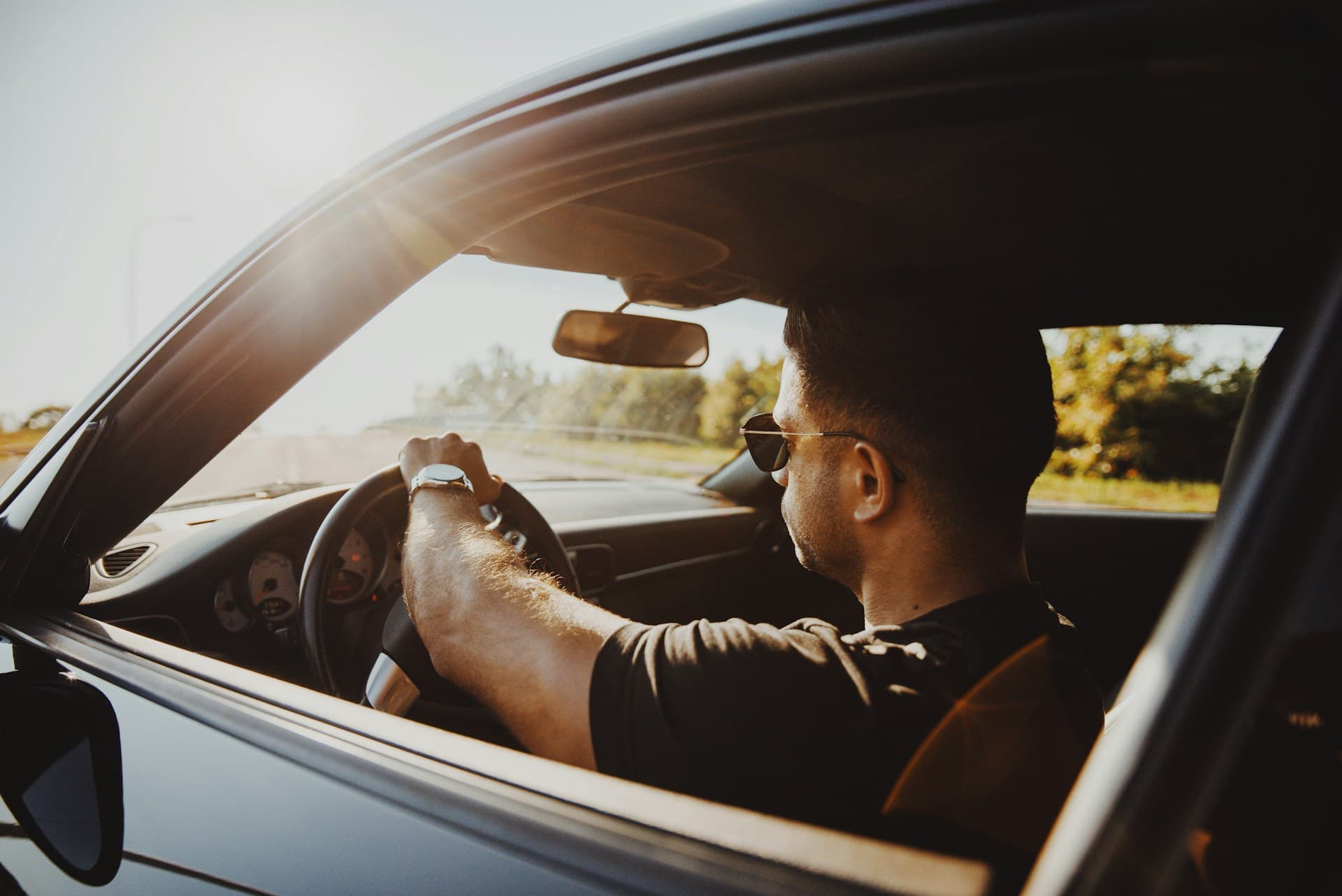
Start Your Drive with Less Sciatic Pain
Long car rides can feel much longer when lower back pain or leg symptoms make sitting uncomfortable. Holiday visits, weekend getaways, and even a drive across town can become stressful when pain begins in your low back and travels through the buttock, hip, or leg.
Sciatica symptoms can show up differently from person to person. You may notice an aching, burning, sharp pain, tingling, or numbness that becomes more noticeable after time behind the wheel. Temporary comfort measures may help for a short time, but recurring symptoms deserve a professional evaluation. At Functional Restoration Institute, we focus on chiropractic care, neuromuscular rehabilitation, and individualized strategies for chronic pain concerns that interfere with daily life and travel.
Why Long Car Rides Can Aggravate Sciatica
Sitting for long periods places steady pressure on the lower back, hips, and surrounding muscles. When your posture slips, your seat does not support your lower back well, or you stay in one position for too long, that stress can build. For someone already dealing with disc-related concerns, joint restrictions, muscle tension, or nerve irritation, a long drive may bring symptoms forward.
Travel also tends to include a few extra challenges beyond the drive itself. A rushed stop for groceries, lifting a suitcase from the trunk, or twisting to reach something in the back seat can be enough to aggravate an already sensitive area.
Common travel-related triggers can include:
- Sitting with your hips uneven or your lower back unsupported
- Reaching too far forward for the steering wheel
- Limited movement during long stretches of driving
- Tightness around the hips and lower back
- Lifting luggage or bags after hours of sitting
When people seek sciatica treatment in Mission Viejo, we begin by looking beyond the symptom alone. Leg pain may be connected to disc irritation, joint dysfunction, muscle tension, nerve compression, or more than one contributing factor. Understanding what is driving the discomfort helps us shape care around your specific situation rather than relying on a one-size-fits-all approach.
Know When Travel Pain Needs a Professional Evaluation
A little stiffness after a long drive is not the same as pain that keeps returning every time you sit, bend, lift, or get behind the wheel. If pain regularly travels below the knee, interrupts sleep, limits your work or family activities, or makes you avoid driving altogether, it is worth discussing with a qualified professional.
Numbness, tingling, and weakness can also be signs that your lower back and leg symptoms need closer attention. Chronic lower back pain often has a way of changing your routine slowly. You may start taking shorter steps, shifting your weight, skipping activities, or planning every errand around how long you can sit comfortably. We encourage patients to address these patterns before the holiday calendar gets busier and travel demands increase.
Some symptoms need prompt medical attention. Seek immediate medical care if you experience sudden loss of bladder or bowel control, severe or rapidly worsening weakness, or symptoms after significant trauma. These concerns should not wait for a routine chiropractic visit.
Chiropractic Care for Travel-Related Back Stress
A chiropractic evaluation gives us a chance to look at how your body is moving, not just where it hurts. We may assess spinal movement, posture, joint restrictions, muscle tension, and other mechanical factors that may be contributing to lower back pain and sciatic symptoms. Your history matters too, including when symptoms began, what makes them worse, and how driving affects you.
Care is based on the individual. Depending on your needs, a chiropractic-focused plan may include spinal adjustments, mobility work, soft-tissue approaches, and recommendations intended to reduce mechanical stress and support better movement. We do not treat every episode of leg pain as the same problem, because the source can vary from one person to the next.
For people exploring sciatica treatment in Mission Viejo, we build plans around symptoms, medical history, activity level, and everyday demands, including upcoming travel. Neuromuscular rehabilitation may be part of that conversation when appropriate, especially when movement patterns and muscle function are affecting how the lower back and hips handle prolonged sitting.
Prepare Your Body for a More Comfortable Road Trip
The setup of your driver’s seat can make a noticeable difference in how your lower back feels by the end of a trip. Before leaving, take a moment to adjust your position so you are not slumping, twisting, or stretching forward to reach the wheel. Your hips should feel level, and your lower back should have reasonable support.
We often recommend paying attention to a few practical details:
- Adjust the seat so you can reach the pedals and steering wheel without overreaching
- Keep your back supported instead of leaning to one side
- Consider lumbar support if it helps you maintain a more comfortable position
- Plan stops during longer drives so you can walk and change positions
- Use careful lifting mechanics when handling bags, groceries, or luggage
Movement breaks are not about turning every road trip into a workout. They are simply a chance to stand up, walk briefly, and avoid being locked into one seated position for hours. If chronic lower back pain is already limiting your activity, a personalized mobility routine and professional guidance before holiday travel can help you prepare more thoughtfully.
Plan Care Before Your Next Long Drive
Ongoing lower back pain and sciatica do not have to dictate every commute, family visit, or holiday road trip. Addressing recurring symptoms before travel gives you time to understand what may be contributing to the problem and what type of conservative care may fit your needs. Our approach may also include supportive functional medicine strategies when clinically appropriate, while keeping the focus on chronic lower back pain, movement, and chiropractic care.
Before your next long drive, pay attention to patterns instead of pushing through them. Notice whether sitting, bending, lifting, or getting out of the car repeatedly brings on symptoms. That information can help guide a more informed conversation about your care and make it easier to plan for more comfortable travel throughout the holiday season.
Find a Clearer Path to Lasting Relief
At Functional Restoration Institute, we assess how nerve irritation and lower back mechanics may be contributing to your symptoms. Learn about sciatica treatment in Mission Viejo and how chiropractic care may support more comfortable movement. If pain continues to affect your daily routine or travel plans, contact us to discuss your next steps.